Bourbon Pilgrim
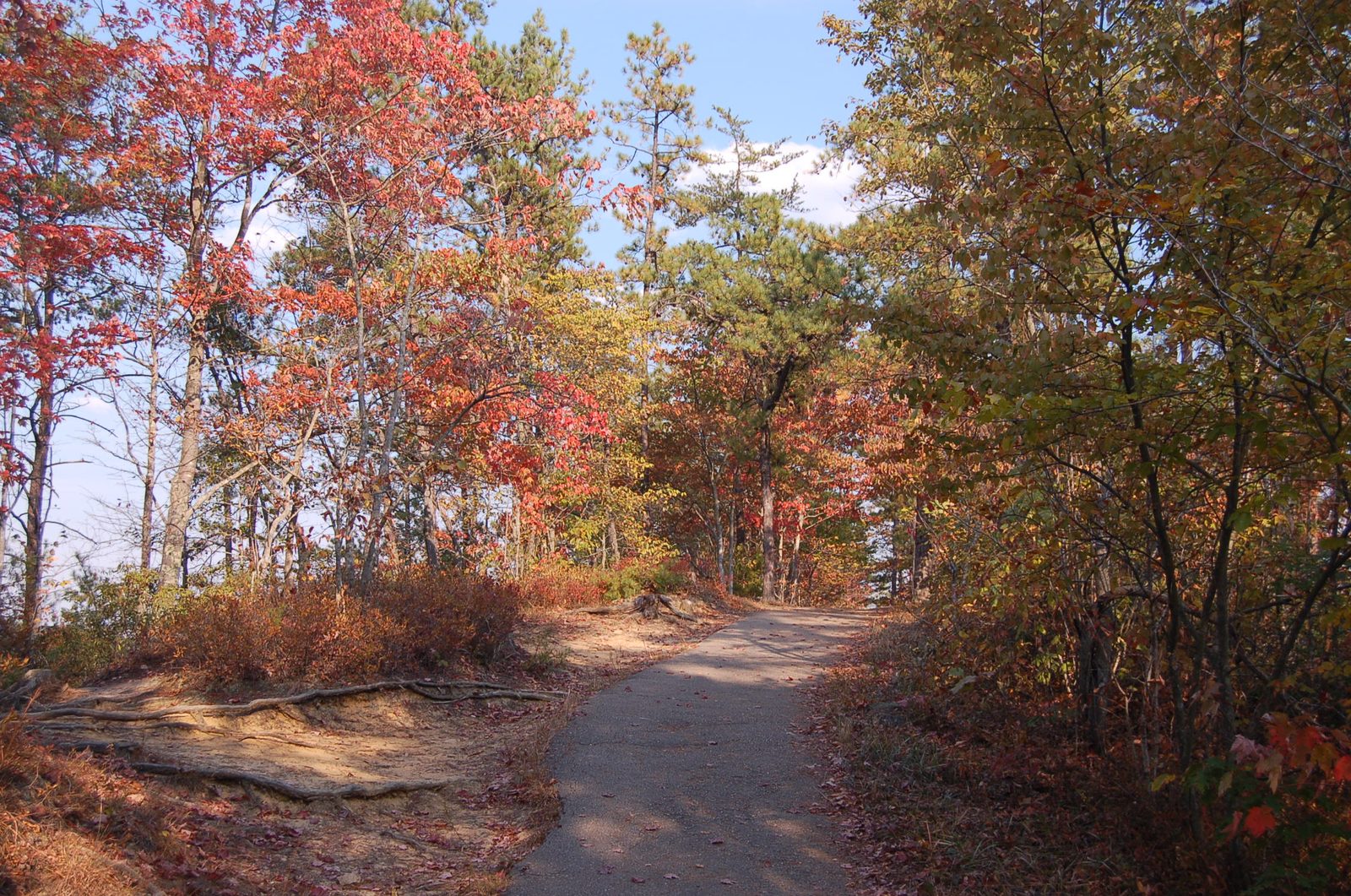
Fall is the best time to visit the Bourbon Trail: late September through early November brings cool weather, fall color, and festival season, though tours sell out weeks ahead. Spring is the value pick with mild weather and smaller crowds. Skip Derby week for the price spikes, and know some distilleries close for maintenance in late August and trim hours in January.
That is the short version. The longer version is a month by month breakdown of weather, crowds, booking pressure, and the event weeks that change the math, so you can pick your month on facts instead of vibes.
Month by month at a glance
| Month | Louisville weather (avg high/low) | Crowds | Booking lead | Worth knowing |
|---|---|---|---|---|
| January | 44/28 | Quietest | Days ahead | Some distilleries trim hours or close briefly for maintenance |
| February | 48/31 | Very quiet | Days ahead | Best last minute availability; rural roads can ice over |
| March | 58/39 | Light | 1 to 2 weeks | Shoulder season begins; comfortable for walking tours |
| April | 70/49 | Building | 2 to 3 weeks | Wildflowers on the backroads; Keeneland spring meet in Lexington |
| May | 77/59 | Heavy early, then calm | A month or more | Derby week (first Saturday of May) is the worst week of the year; the rest of May is lovely |
| June | 85/67 | Moderate to heavy | 2 to 4 weeks | Warm but manageable; book morning tours to beat the heat |
| July | 89/71 | Heavy | 3 to 4 weeks | Hottest month; rickhouses get brutal, tour early in the day |
| August | 88/70 | Heavy | 3 to 4 weeks | Some distilleries take a one to two week production break; a few close for maintenance in late August |
| September | 82/62 | Heaviest | A month or more | Peak season starts; Kentucky Bourbon Festival (Sept 10 to 13, 2026) and Bourbon and Beyond (Sept 24 to 27) |
| October | 70/50 | Heaviest | A month or more | The sweet spot; Keeneland fall meet Oct 2 to 24; fall color peaks mid month |
| November | 57/39 | Moderate | 1 to 2 weeks | Tails off after Thanksgiving; cool, quiet, pleasant |
| December | 47/32 | Quiet | Days ahead | Tours are hard to get between Christmas and New Year; check holiday hours |
Weather figures are 1991 to 2020 climate normals for Louisville International Airport. Bardstown and Lexington run within a degree or two of the same numbers.
Fall: the season everyone wants
Late September through early November is the sweet spot, and every guide agrees on it. The weather is cool, the leaves are changing, and the distilleries are buzzing with events. It is also the most popular time to visit, so book tours at least a month in advance. Fall foliage color starts appearing in September and can extend into November, and Kentucky is one of the best places in the country to watch it happen, per University of Kentucky extension forester Laurie Thomas.
Fall is also event season, and the events matter for planning. The Kentucky Bourbon Festival runs September 10 to 13, 2026 in Bardstown, at Spalding Hall: 21 and over, tickets required, and the 2026 edition sold out after going on sale April 14, per kybourbonfestival.com. The 35th anniversary edition hosts more than 200 brands from more than 70 distilleries across 30 plus events, per thebourbonflight. Two weeks later, Bourbon and Beyond takes over Louisville from September 24 to 27, 2026, with more than 100 artists across five stages at the Kentucky Exposition Center; the 2025 edition drew more than 200,000 attendees. In October, Keeneland runs its 90th fall meet from October 2 to 24, a 17 day season with 22 stakes worth $10.7 million, no racing on Mondays and Tuesdays, per keeneland.com. The Breeders' Cup World Championships land at Keeneland right after, on October 30 and 31.
That density is the double edge. Fall gives you the best bourbon trip and the hardest reservations. If you are visiting in fall and want a guided day, book the tour when you book the flight. Our best bourbon tours from Louisville comparison covers which operators handle peak season best. Bardstown visitors should watch the festival dates on our Bardstown bourbon tours guide, and horse racing fans can pair the fall meet with a distillery day via our bourbon and horse farm combos.
Check the $275 Mint Julep full day on Viator →
Spring: the sleeper pick
April through early June is the second best season and, for value, arguably the first. The weather is mild, wildflowers bloom along the backroads, and crowds are not as intense as fall. Spring is also when bourbon is in full production, per earthtrekkers, so the working distillery side of the tours is at its liveliest.
The caveat is Derby week. The Kentucky Derby runs the first Saturday of May, and rookieontherocks is blunt about it: massive crowds across the whole state, hotels surge in price, reservations book out far in advance, traffic increases everywhere, and distilleries feel significantly busier. Derby week, fall, and Keeneland race meets are the peak pricing windows. Outside that week, May is genuinely lovely, and our Bourbon Trail cost breakdown shows how much the Derby week premium costs across three travel styles.
Summer: doable, but tour early
Summer is the season the guides argue about. Kendyltravels calls it hit or miss: some distilleries, especially outside Louisville, are not climate controlled, and rickhouses get hot. If you go in July or August, tour earlier in the day and leave time to cool off. Earthtrekkers goes further, reporting that the guides they spoke to call summer the worst time: it is hot, it is crowded, and most distilleries take a break from distilling for a week or two or longer, so you may not see the fermentation and distilling process at work. Travelbybrit adds that a few distilleries close for routine maintenance for a few weeks in late August.
The upside is availability is manageable if you book early, and Louisville's urban distilleries are climate controlled and walkable. Summer is also when a guided day earns its money: someone else drives, the admissions are prebooked, and the vehicle is air conditioned. Our Bourbon Trail transportation options compares private drivers, shuttles, and party buses for exactly this scenario.
Winter: the quiet season
End of November through March is the crowd free window. If you want to tour distilleries without the crowds, this is when, per earthtrekkers, and if you want to save money, November through March is the best time: tours do not fill as quickly and hotel rates are super low. Most tours are indoors anyway, so the weather matters less than you would expect.
The tradeoffs are real. Between Christmas and New Year it is hard to get a distillery tour at all. Some distilleries reduce tour hours or close briefly in January for maintenance, per b2the7. And self drivers should be ready for rain, ice, and snow on rural roads, who notes you can avoid the whole problem by booking a tour instead. Our guided vs self drive cost math runs the winter numbers for both lanes.
The weeks that break a trip
Three event windows reshape the trail every year. Plan around them or plan for them:
- Derby week (first Saturday of May). The toughest week of the year for a bourbon focused trip. If you want the Derby itself, book a full year out; our Churchill Downs tours guide covers what is bookable at the track.
- Kentucky Bourbon Festival week (mid September, Sept 10 to 13 in 2026). Bardstown's biggest week: 21 and over, sold out in 2026, 200 plus brands from 70 plus distilleries. Great if you are attending, terrible for a quiet distillery crawl.
- Bourbon and Beyond (late September, Sept 24 to 27 in 2026). Louisville fills with 200,000 plus music fans. Pairing the festival with distillery days works; expecting a quiet Louisville does not.
September is National Bourbon Heritage Month, so the whole month carries extra energy and extra booking pressure. If your dates are flexible, the first two weeks of October sit in the sweet spot: festival crowds have thinned, Keeneland is running, and the color is peaking.
Which days of the week to tour
The day of the week matters as much as the month. Rookieontherocks names Thursday, Friday, and Sunday as the best days: smaller tour groups, better interaction with staff, a less rushed experience. Saturday works but expect bigger crowds and tighter schedules. Sunday is a good option with one catch: distilleries typically run reduced hours due to state restrictions, opening later and closing earlier, so plan accordingly and avoid overbooking.
The other wrinkle: most distilleries do not offer tours seven days a week, and Sundays, Mondays, and Tuesdays are the days distilleries are most likely to close their doors to tour groups, per earthtrekkers. That makes Thursday through Saturday the safest three day window for a self planned trip. If you are stacking a short trip, our Bourbon Trail trip length guide maps the day by day math.
When to book, by season
| Season | Book this far ahead | Why |
|---|---|---|
| Fall (Sep to Nov) | 4 to 6 weeks | Tours book out a month or more ahead; festival weeks go faster |
| Spring (Apr to Jun) | 2 to 4 weeks | Derby week needs far more; the rest of spring is moderate |
| Summer (Jul to Aug) | 3 to 4 weeks | Peak family travel season; avoid peak summer Saturdays |
| Winter (Dec to Feb) | Days to a week | Most availability of the year, except Christmas to New Year |
Two booking facts hold year round. Tours at Buffalo Trace, Woodford Reserve, and Maker's Mark often sell out weeks in advance, so check availability at least a month before your trip. And Buffalo Trace's free standard tour tickets release 8 weeks out on Wednesdays at 10am ET and sell out in minutes; our Buffalo Trace tour tickets guide walks through the Wednesday release. If the free tickets beat you, a guided day that includes Buffalo Trace is the reliable fallback: the Ky Bourbon Tours customizable day guarantees the stop, from $189 per person.
Check the $189 Buffalo Trace guaranteed day on Viator →
The verdict: let the calendar pick the trip
If you can choose, go in October. Cool air, fall color, the fall meet running, every distillery open, and the peak season energy without the September festival crush. If you want the same trip for less, go in April: mild weather, thin crowds, full production. Winter is the budget play and the quiet play, as long as you check holiday hours and January maintenance closures. Summer works only if you tour early and hydrate like it matters.
Whatever month you pick, the two moves that never change: book the tours when you book the flights, and for fall and Derby week, consider that window closed the moment it opens. Start with our best bourbon tours from Louisville comparison to pick the guided day, then build your days around it.
The best dollars on the trail go to the guided day. Three distilleries, guaranteed entry, lunch, and no driver math:
Check the $275 Mint Julep full day on Viator →
Check the $89 Buffalo Trace half day on Viator →
Affiliate links. If you book, we may earn a commission at no extra cost to you.