Bourbon Pilgrim
The wrong outfit on the Bourbon Trail rarely ruins the morning. It ruins the second stop. The first distillery feels fine in almost anything, and then the day moves into a barrel warehouse with no heating, across a gravel lot in the rain, up a flight of metal stairs, and into a tasting room cold enough to make you wish for the sweater sitting in your hotel room. Bourbon country dressing is not a fashion problem. It is a terrain problem and a temperature problem, and both are easy to solve before you leave.
This guide settles what to wear on the Bourbon Trail the way travelers actually need it settled: shoes first, then the season math, then the two rules nobody prints on the ticket. If the days themselves are still open, start with our best bourbon tours from Louisville comparison, because a guided full day runs 7 to 9.5 hours across three distilleries, and whatever you wear has to survive all of it.
Shoes settle most of the question
Every serious source lands in the same place. Kentucky Tourism, the state tourism authority, puts it plainly: distilleries are working production facilities, so wear closed toe, comfortable walking shoes. The Kentucky Bourbon Trail official packing guide repeats the point in its year round list and adds the reason heels and sandals fail. Tours walk on metal grates, grass, dirt and concrete, sometimes in the same hour, and soft ground swallows a narrow heel while a grate catches it.
What works is unglamorous. A supportive walking shoe or sneaker with real tread handles warehouse floors, wet stone and gravel paths, and it still looks right at dinner in most Kentucky towns. Sturdy boots take over in winter and on muddy spring grounds. What never works is the shoe chosen for the photo: polished leather with a slick sole, stilettos, flip flops, or brand new boots you have not broken in. A full tour day stacks distillery after distillery, with 45 to 75 minutes on your feet at each stop. The Beam Made Bourbon Tour at Jim Beam runs 75 minutes, per the distillery, and that is one stop of three.
Dress for the month, not the morning forecast
Kentucky weather turns inside a single day, which is why locals joke that if you do not like it, wait five minutes. The averages below are Louisville climate normals, the same long term records behind our best time to visit the Bourbon Trail guide, and they are the right base for packing even when your days run out to Bardstown or Lexington.
| Season | Louisville average high and low | The official trail temperature band | Wear this | Watch for |
|---|---|---|---|---|
| Spring, March to May | 58/38 rising to 77/57 | 50 to 70 degrees | Layers, jeans or casual pants, breathable shirt, packable rain jacket | May is the wettest month of the year in Louisville |
| Summer, June to August | 85/66 rising to 89/70 | 80 to 95 degrees | Shorts or light pants, polo or light top, hat, sunscreen | Rickhouse top floors hotter than the street, tasting rooms cold |
| Fall, September to November | 82/60 falling to 57/39 | 50 to 75 degrees | Flannel or light sweater, jeans, light jacket you can shed | Cold mornings, warm afternoons, the widest swing of the year |
| Winter, December to February | 46/30 falling to 44/28 | 30 to 50 degrees | Warm coat, thermal layers, insulated pants, boots, hat and gloves | Rickhouses with no heating at all, ice on rural roads some mornings |
The temperature bands in the middle column come from the Kentucky Bourbon Trail official packing guide, and they match the normals closely enough to trust the pattern: spring and fall are layer seasons, summer is a heat season with a cold room problem, and winter is a genuine coat season. Pack for the band, then adjust for the forecast the night before each tour day.
The rickhouse picks your layers
Here is the fact that explains everything else in this guide. A rickhouse, the warehouse where bourbon ages, is deliberately not climate controlled. Kentucky Tourism notes that visitors move in and out of rickhouses with no climate control, and that the temperature swings are part of how bourbon draws flavor and color from the barrel. Heaven Hill, describing its own buildings, says there are no thermostats in any of its 59 rickhouses, that nature alone dictates the temperature inside, and that the interior can swing from below zero in winter to more than 100 degrees in just nine months. Temperatures also differ sharply between floors of the same building, with upper floors baking in summer while the ground floor stays cool and damp.
So the layer rule is not generic travel advice. On one tour you can stand in a warm still room, walk a shaded lawn, and finish in a warehouse that is hotter or colder than the day outside, and a guided day repeats that cycle three times. Wear a base you would be happy in on its own, add a middle layer you can carry, and keep the outer layer in the van or car if you are driving yourself. Travelers on a guided day should ask where bags ride, because the best layer is the one that travels with you between stops instead of sitting at the hotel.
Four seasons, four small adjustments
Spring is the rain season wearing a mild disguise. Mornings start cool, afternoons warm up, and showers arrive fast, so the packable rain jacket is the spring hero and the closed toe shoe earns extra credit on wet grass at the rural campuses. May delivers more rain than any other month in Louisville, and May is also Derby month, when the one dressier outfit in your bag gets its outing at the track rather than at a distillery.
Summer is heat management. Light and loose clothing in breathable fabrics, golf course attire is the local shorthand, with shorts, polos and light tops at every stop. Bring the hat and sunscreen for the outdoor stretches between buildings, bring water, and bring a cooler for the car, because bottles you buy at a gift shop should not bake in a parked vehicle while you tour the next distillery. The layer still matters: air conditioning in tasting rooms and visitor centers runs strong.
Fall is the best dressed season on the trail and the most popular one, and it is a layering exam. A flannel or light sweater over a shirt, jeans, and a light jacket covers a crisp morning warehouse and a warm afternoon patio without a costume change. Fall tours also book out furthest ahead, so the outfit decision usually comes after the booking decision. Our full day bourbon trail tours comparison shows which guided days are worth building the fall trip around.
Winter is the quiet season, and the cold is honest. Coat, hat and gloves, with gloves chosen over mittens so your hands work on railings, stairs, zippers and a tasting glass. Insulated or fleece lined pants sound excessive until you stand still for a 20 minute warehouse talk in a building with no heat. The reward is real: winter brings the smallest crowds and the easiest bookings of the year.
The two rules nobody prints on the ticket
The first is scent. The Kentucky Bourbon Trail guide lists strong scents under what to avoid, because perfume and cologne interfere with tastings. A bourbon tasting is mostly smell, and the pour in front of you has to compete with whatever you sprayed on that morning. Skip fragrance on tour days entirely. It is the only dressing rule that affects other people, which is why regulars treat it as manners rather than preference.
The second is loose fabric near machinery. The same official guide recommends avoiding scarves, loose clothing and long jewelry that could catch on equipment during a production tour, and some distilleries hand out hard hats for parts of the route, which the distillery provides. Buffalo Trace even runs a dedicated Hard Hat Tour behind the scenes of real production, per Kentucky Tourism. Fitted layers, hair tied back, and jewelry kept small make those tours simpler, and they cost you nothing on a standard tour either.
Grounds days and downtown days dress differently
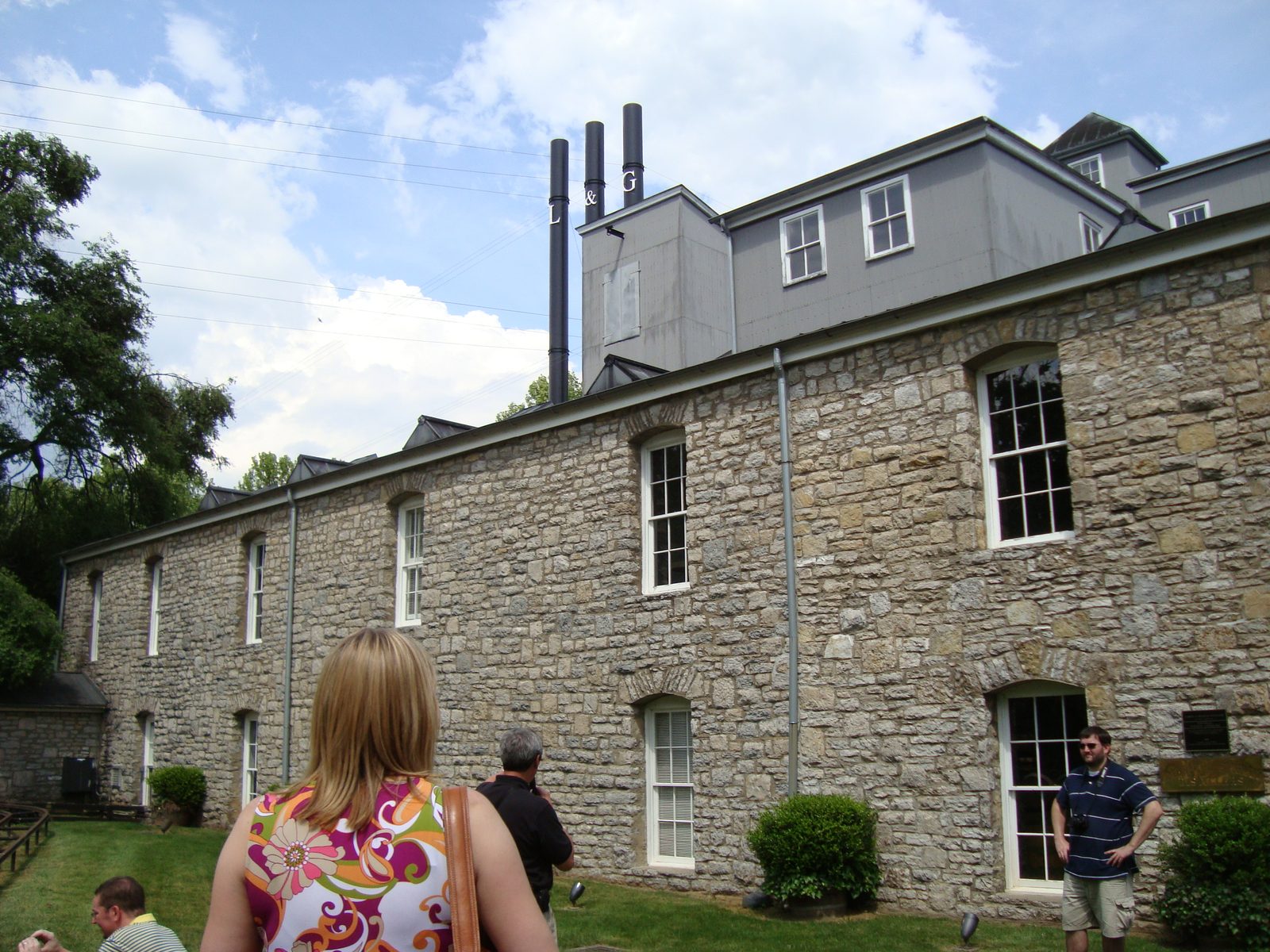
Not every stop asks the same thing of your clothes. The big rural campuses are walking properties. Maker's Mark in Loretto spreads across landscaped grounds where you dip your own bottle in red wax, so wear sleeves you can push up and shoes ready for paths and lawns. Woodford Reserve pairs limestone warehouses with lawns and rocking chairs, and Castle and Key adds a sunken garden and a warehouse 534 feet long, per Kentucky Tourism, with grounds that reward a steady shoe. Days built on those stops pair naturally with the regional guided options in our Bardstown bourbon tours guide and our Lexington bourbon trail tours guide, and the clothing math stays the same either way: outdoor first, tasting room second.
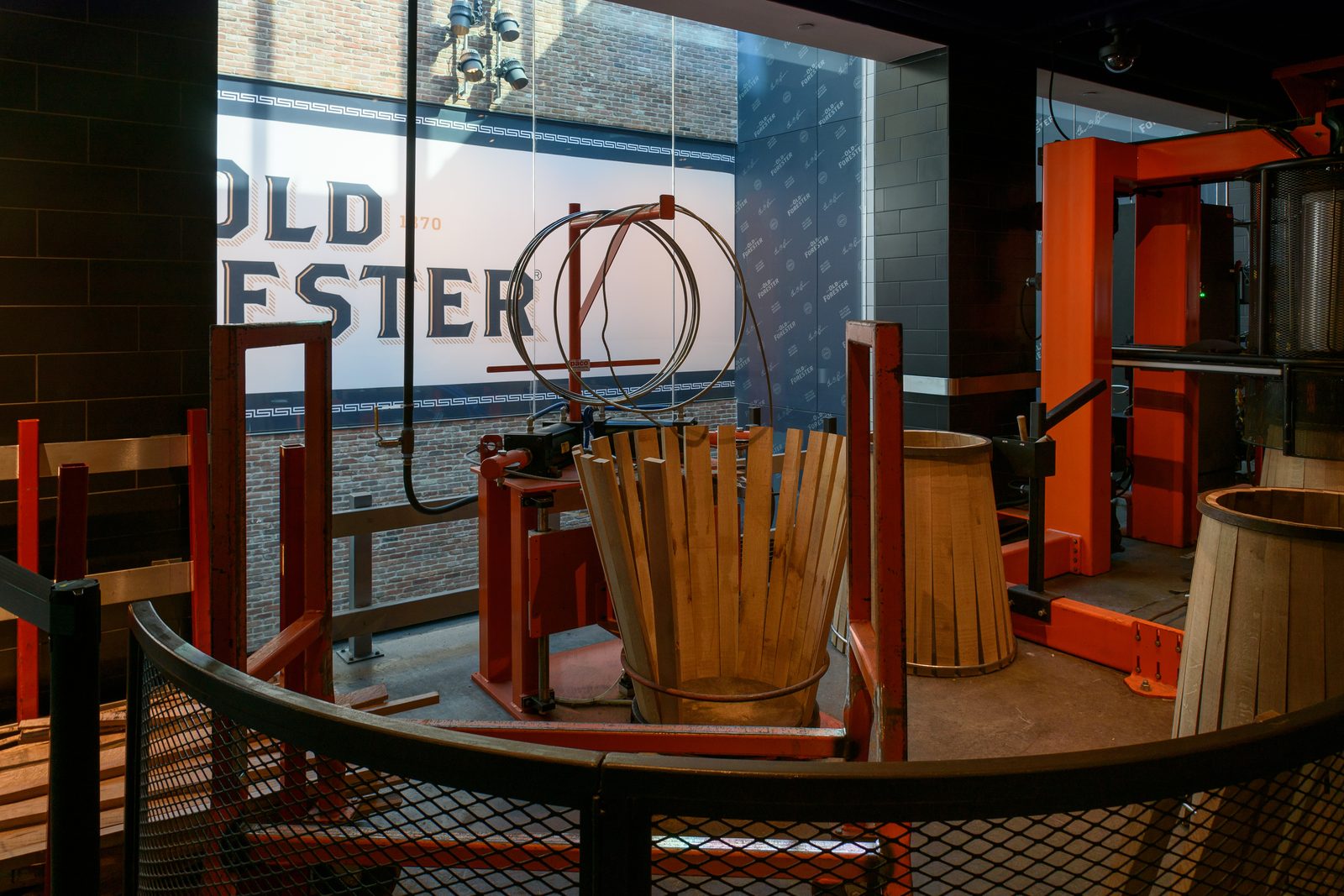
Downtown Louisville flips the balance. Whiskey Row stops like Old Forester and Angel's Envy sit on city sidewalks a short walk apart, the walking is flat and short, and the rooms run polished enough that a smarter casual outfit feels at home. This is the one setting where the sundress or the collared shirt and khakis reads exactly right, provided the shoes still have a closed toe and a sole that grips a warehouse floor. City in the morning and country in the afternoon is a common Louisville pattern, and the outfit that bridges it is smart casual with walking shoes, every time.
The evening step up, and the one real dress code
Most visitors overpack the evening. For the vast majority of Kentucky restaurants, jeans and a nice top are right on target, and the bourbon bars of the Urban Bourbon Trail ask for nothing more. One elevated outfit in the bag covers a special dinner or an event night, which is exactly what the official packing guide advises. Our guide to the best bourbon bars in Louisville covers where that outfit will spend its evening.
The exception deserves its own paragraph because it surprises people. Churchill Downs enforces dress codes in its premium rooms on race days: business casual in the Derby Room, smart casual in club level seating, with athletic wear and torn clothing turned away in those sections, per Churchill Downs, while the infield and general admission stay relaxed. The Kentucky Derby runs on the first Saturday of May, and Derby week is the only week of the year when a bourbon trip carries a formal wardrobe requirement. If your trip pairs the track with the trail, plan two outfits for that day and change between them. Our Churchill Downs tours guide lays out which tickets carry which expectations.
Outfit sorted and the driver question still open? A guided day removes the designated driver debate and puts 7 to 9.5 hours of walking, warehouses and tastings into one booked plan:
Check the $275 Mint Julep full day on Viator →
Check the $89 Mint Julep Buffalo Trace half day on Viator →
Affiliate links. If you book, we may earn a commission at no extra cost to you.
Pack this, leave that at the hotel
| Bring on every tour day | Leave at the hotel |
|---|---|
| Closed toe walking shoes with tread, already broken in | Heels, sandals and slick soled dress shoes |
| A base layer you can wear alone, plus one layer you can carry | A single heavy outfit with no way to adjust |
| Packable rain jacket in spring and fall | The umbrella as your only rain plan on a windy grounds day |
| Hat and sunscreen in summer, hat and gloves in winter | Fragrance of any kind on a tasting day |
| A tote or small bag for gift shop bottles | Loose scarves, dangling jewelry and flowing sleeves on production tours |
| A cooler waiting in the car for summer bottle purchases | Bottles loose in a hot trunk |
Two last details separate a smooth day from an annoying one. First, bottle shopping is part of the clothing plan: distillery only releases and wax dipping reward a bag you can carry and sleeves that roll, and summer heat punishes a bottle left in the car, which is why the cooler sits on the bring list. Second, side trips change the math. Road trippers pairing the trail with Mammoth Cave should know the cave holds 54 degrees all year, per the National Park Service, so the jacket in the car earns its seat in every season.
Get the shoes right, layer for a building with no thermostat, and keep the scent at zero, and clothing stops being a variable on the Bourbon Trail. The pours get your full attention, which is the entire point of the trip.